
The Benefits of Specialty Medical Devices for Patient Care


Enhancing Patient Outcomes with Specialty Medical Devices
In the ever-evolving world of healthcare, specialty medical devices have become a cornerstone in enhancing patient care. These devices are designed to address specific medical conditions, providing targeted solutions that improve both the quality and efficiency of healthcare delivery. As technology advances, these specialized tools are becoming increasingly integral to patient treatment plans.
Precision and Personalization
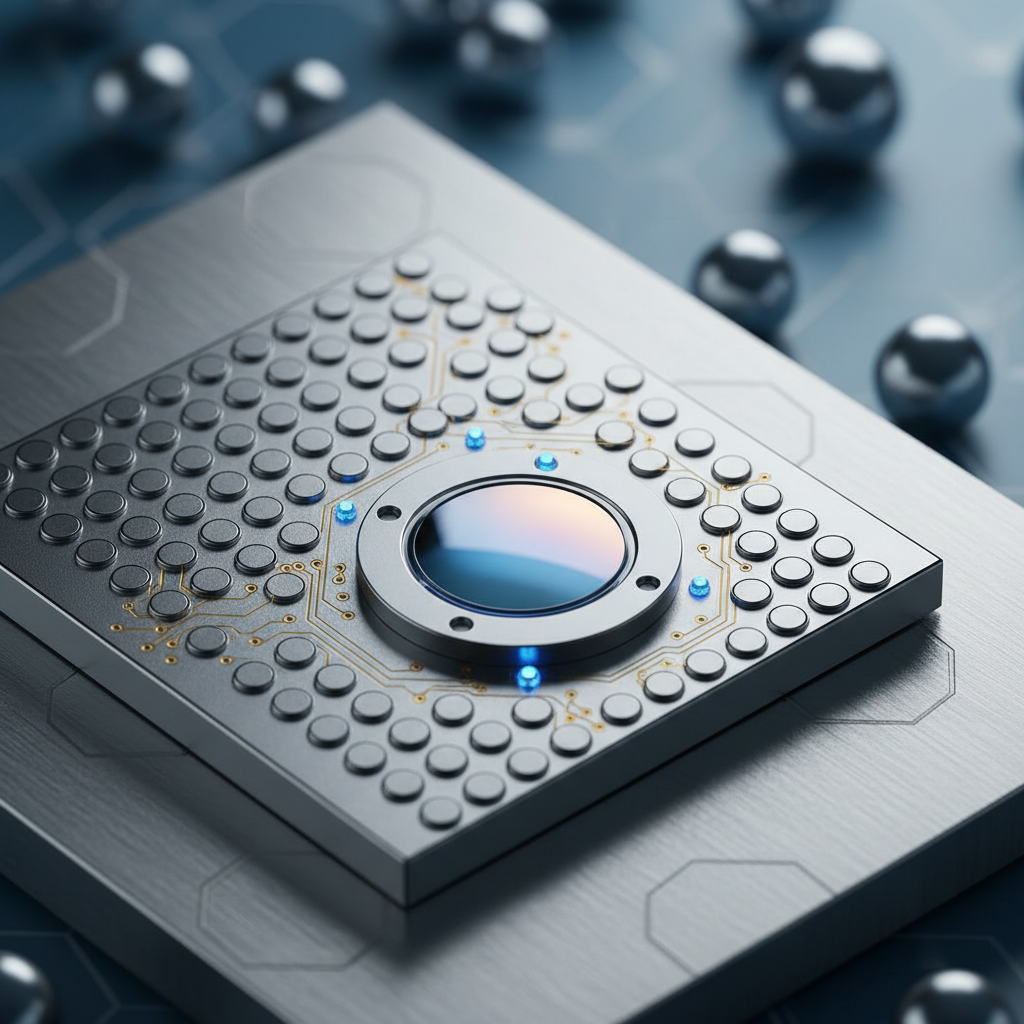
One of the most significant benefits of specialty medical devices is their ability to offer precision and personalization in patient care. Unlike generic devices, specialty devices are tailored to meet the unique needs of individual patients. This level of customization allows healthcare providers to deliver more accurate diagnoses and treatments, resulting in better health outcomes.
For instance, devices such as insulin pumps for diabetes management or customized orthopedic implants play a crucial role in addressing specific health challenges. By focusing on individual patient requirements, these devices help reduce the margin of error in treatment and increase the effectiveness of care.
Improved Efficiency and Reduced Costs
Specialty medical devices also contribute to greater efficiency in healthcare settings. By streamlining processes and reducing the need for invasive procedures, these devices can significantly cut down on time and resources. This not only benefits healthcare providers but also reduces the overall cost of care for patients.

For example, telemedicine devices allow for remote monitoring of patients, decreasing the need for frequent hospital visits. This can lead to substantial savings in both time and money, while still ensuring that patients receive comprehensive care.
Enhanced Patient Safety
Safety is a top priority in healthcare, and specialty medical devices are designed with this in mind. These devices often come with advanced safety features and monitoring capabilities that help minimize risks associated with medical treatments.
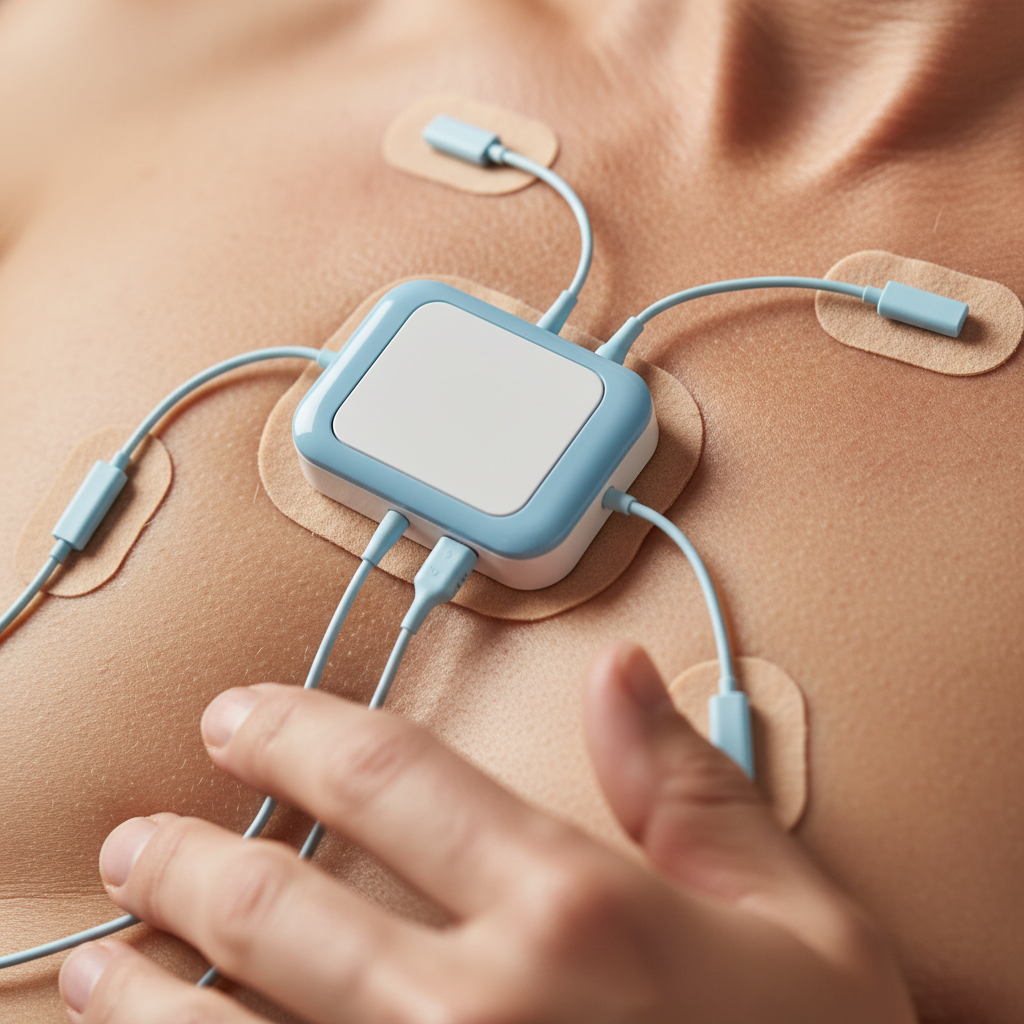
Devices such as smart infusion pumps and wearable heart monitors provide continuous tracking of patient vitals, alerting healthcare professionals to any abnormalities in real time. This proactive approach not only enhances patient safety but also allows for timely interventions when necessary.
Facilitating Chronic Disease Management
Managing chronic diseases can be challenging for both patients and healthcare providers. Specialty medical devices offer a practical solution by enabling continuous monitoring and management of chronic conditions. Devices such as continuous glucose monitors and portable dialysis machines empower patients to manage their health more effectively.
- Continuous glucose monitors for diabetes.
- Portable dialysis machines for kidney disease.
- Implantable cardioverter defibrillators for heart conditions.
By providing real-time data and feedback, these devices help patients make informed decisions about their health and lifestyle, ultimately improving their quality of life.
The Future of Specialty Medical Devices
As technology continues to advance, the potential for specialty medical devices is limitless. Innovations in areas such as artificial intelligence and machine learning are poised to further enhance the capabilities of these devices, making them even more effective in patient care.
Looking ahead, we can expect to see more integration of these technologies into everyday medical practice, further solidifying the role of specialty medical devices in the healthcare landscape.